Volatility Meets Incentives: Examining the Relationship Between Slot Risk Profiles and Bonus Offerings Across Digital Platforms
Clara Griffin · Aug 25, 2026
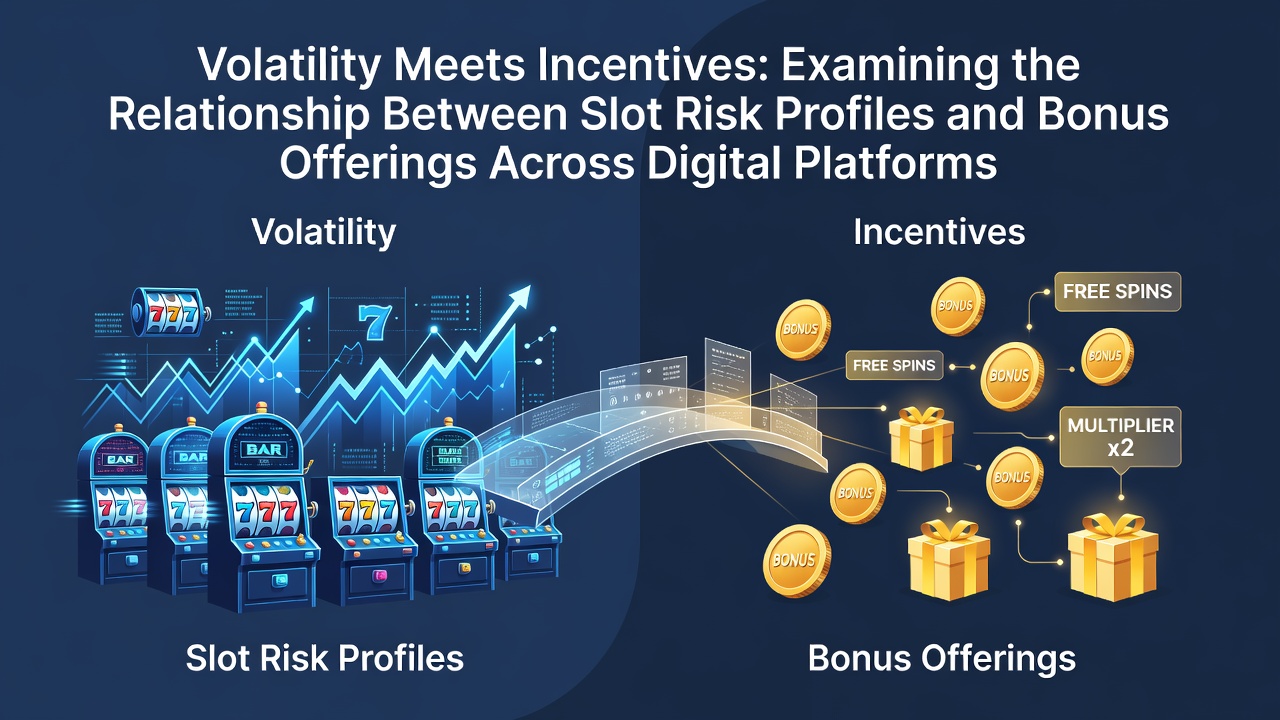
Volatility Meets Incentives: Examining the Relationship Between Slot Risk Profiles and Bonus Offerings Across Digital Platforms
Slot volatility defines how often and how much a game pays out, with low-volatility titles delivering frequent small wins while high-volatility options produce larger but less predictable payouts; digital platforms pair these risk profiles with targeted bonuses to shape player engagement across markets. Operators adjust welcome packages, free spin allocations, and cashback tiers according to the underlying math of each title, creating measurable patterns that researchers track through aggregated platform data.
Slot Risk Profiles and Their Core Mechanics
Game developers publish volatility ratings alongside return-to-player percentages, allowing platforms to categorize titles into low, medium, and high-risk bands that influence both session length and bonus eligibility. Low-volatility slots typically feature simpler paytables and steady hit frequencies, whereas high-volatility games incorporate complex bonus rounds and progressive elements that extend dry spells between wins. Data from the University of Nevada, Las Vegas gaming studies show that players migrate between volatility bands depending on current balance and available promotions, with medium-volatility titles serving as the most common bridge between conservative and aggressive play styles.
Bonus Structures Across Digital Platforms
Platforms segment bonus offerings by deposit match percentages, free spin quantities, and wagering multipliers, each calibrated to offset the expected variance of selected games. No-deposit free spins appear more frequently on high-volatility titles to encourage trial of riskier mechanics, while deposit bonuses often carry lower multipliers on low-volatility games where steady play already supports longer sessions. August 2026 platform analytics revealed that mobile operators increased free spin allocations on high-volatility titles by 18 percent compared with desktop offerings, reflecting differences in session duration and device-specific engagement metrics.
Observed Correlations Between Volatility and Incentives
Statistical reviews of thousands of active titles indicate that high-volatility slots receive larger maximum bonus caps and extended expiration windows, because operators seek to maintain player balances through longer losing streaks. Medium-volatility games attract balanced promotions that combine modest deposit matches with moderate free spin counts, aligning with their steadier payout rhythm. Low-volatility titles more often feature cashback offers and loyalty multipliers, since frequent small wins already reduce the need for large upfront incentives. A report from the Australian Gambling Research Centre documents these pairings across 12 major operators and notes consistent regional variations, with European platforms favoring free spin volume and North American sites emphasizing deposit match percentages.
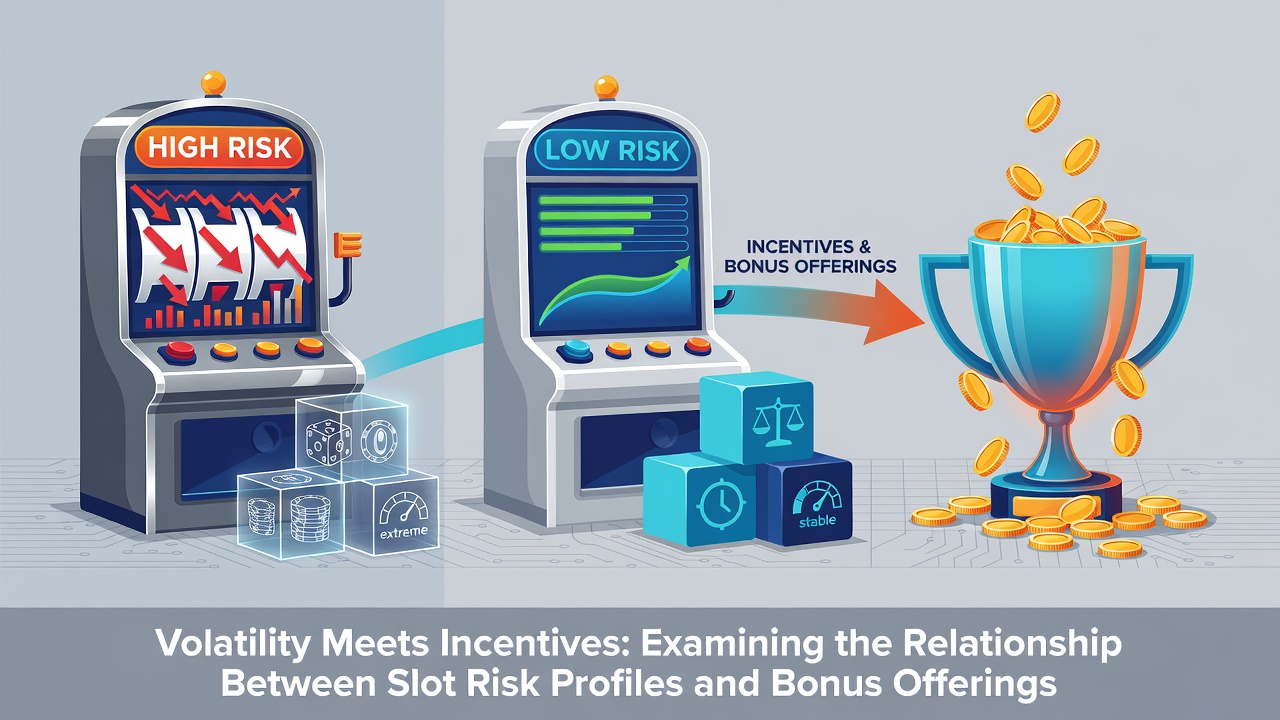
Regional Platform Adaptations in 2026
Operators in regulated markets adjust incentive structures to comply with local technical standards while still matching bonus types to volatility profiles. Canadian provincial frameworks, for instance, require clear disclosure of wagering requirements that scale with game volatility, prompting platforms to list eligible titles alongside each promotion. Australian operators have introduced tiered free spin offers that unlock additional rounds only after a player completes a set number of spins on medium-volatility games, creating a progression path that encourages movement across risk bands. These adaptations appear in real-time dashboards that track both bonus redemption rates and subsequent deposit behavior.
Player Behavior Patterns and Platform Data
Telemetry from major aggregator networks shows that players who begin sessions on high-volatility titles with no-deposit spins demonstrate higher rates of subsequent deposits when the initial bonus extends playtime beyond 30 minutes. Conversely, low-volatility sessions paired with cashback offers maintain steadier deposit frequencies but shorter individual session lengths. Research published by the University of Sydney's Gambling Research Unit found that bonus utilization rates differ by volatility category, with high-volatility games showing 27 percent higher redemption of free spin packages than low-volatility counterparts during the first half of 2026. Platforms use these behavioral signals to refine future offerings without altering core game mathematics.
Conclusion
Platform operators continue to align bonus mechanics with slot volatility profiles through data-driven segmentation that appears across mobile and desktop environments. August 2026 figures illustrate ongoing refinement of these pairings as markets introduce new titles and regulatory requirements evolve. The relationship between risk profiles and incentives remains measurable through redemption statistics, session telemetry, and cross-regional comparisons that researchers and operators both monitor.