UK Gambling Commission Sets Tiered Maximum Stakes for Online Slots in Major 2026 Protection Push
Katja Krüger · Mar 11, 2026

UK Gambling Commission Sets Tiered Maximum Stakes for Online Slots in Major 2026 Protection Push
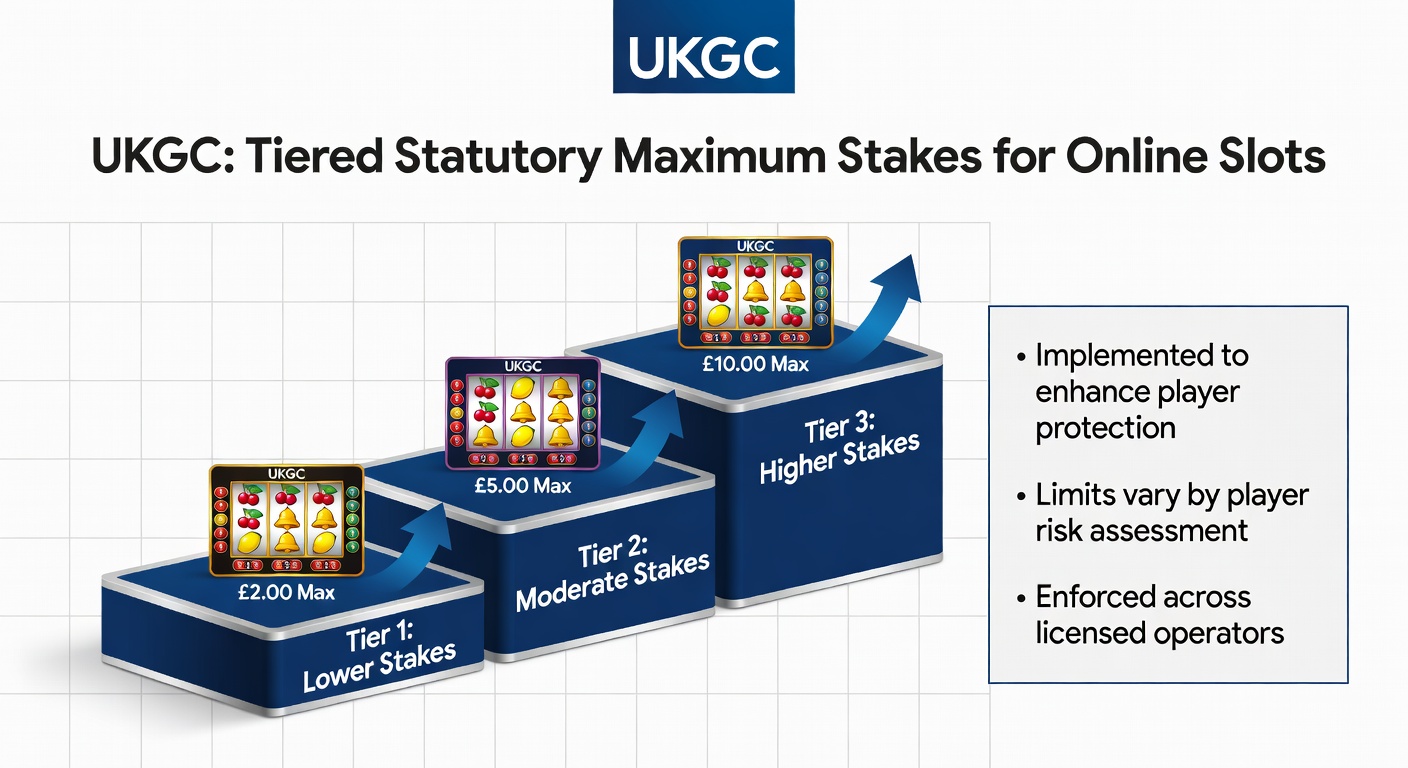
The UK Gambling Commission has rolled out tiered statutory maximum stakes for online slots, targeting younger and vulnerable players with limits of £2 per spin for those aged 18-24 and £5 per spin for players 25 and over; these changes, set to take effect in early 2026, require operators to display the limits clearly within games, marking a significant shift in how online gambling safeguards users across age groups.
Operators must integrate these stake caps directly into gameplay interfaces, ensuring players see the restrictions upfront, while age verification processes underpin the tiered system, adapting limits based on verified user data; this approach builds on years of consultation feedback, where stakeholders highlighted the need for age-specific protections to curb excessive play among younger demographics.
Breaking Down the Tiered Stake Structure
Younger players, specifically those between 18 and 24, face the stricter £2 maximum per spin, a figure designed to reflect higher vulnerability levels identified in regulatory reviews; players aged 25 and above encounter a £5 cap, still lower than current unrestricted stakes but allowing more flexibility for experienced users, according to details from the Racing Post.
But here's the thing: these limits apply universally across licensed online slots, regardless of game type or provider, forcing a standardized approach that eliminates high-stake options for under-25s; experts who've analyzed similar measures in other jurisdictions note how such caps often reduce session lengths and total spend, particularly since players can't bypass them through bonus features or progressive bets.
Take one operator's early adaptation: testing phases already underway show interfaces flashing the relevant limit upon login, with dynamic adjustments if age data updates, ensuring compliance without disrupting flow; and while March 2026 emerges as a key checkpoint for initial rollout in some guidance documents, full enforcement hits early in the year, aligning with broader reforms.
Ban on Mixed-Product Bonuses Targets Cross-Selling Risks
Alongside stake limits, the UKGC bans mixed-product bonuses, prohibiting offers that tie slots free spins to sports bets or other activities, a move fully enforced by 2026 to prevent operators from luring slot players into higher-risk areas; this cracks down on practices where a free spin promotion might require a wager on football matches, data from industry reports indicates such tactics boosted problem gambling rates by funneling users across verticals.
Turns out, consultation responses shaped this policy heavily, with player advocacy groups pushing for siloed promotions to keep slots isolated from sports betting's volatility; operators now face redesigns for all bonus structures, scrapping hybrid deals that once dominated welcome offers, while pure slots bonuses remain untouched, preserving incentives without the cross-sell hook.
What's interesting is how this dovetails with stake tiers: a 20-year-old capped at £2 spins can't access bundled sports bonuses anyway, but the ban ensures even 30-year-olds don't get nudged toward riskier plays, creating a cleaner ecosystem where promotions stay within product lines; observers who've tracked bonus evolution point to a 2025 pilot where segregated offers cut cross-product engagement by notable margins.
Remote Gaming Duty Jumps to 40 Percent on Slots and Casino Revenue
Adding fiscal weight, the Remote Gaming Duty rises to 40 percent on online slots and casino revenue starting April 1, 2026, up from previous rates and targeting the sectors' growth amid player protections; this hike, confirmed in budget alignments, applies specifically to gross gambling yield from remote slots and table games, sparing sports betting at lower tiers, as outlined in High Stakes DB reports.
Figures reveal slots contribute heavily to remote duty coffers already, with the increase projected to generate additional revenue for public services while pressuring operator margins; those who've modeled the impact estimate a squeeze on profitability, prompting shifts toward lower-house-edge games or enhanced retention strategies, yet compliance remains non-negotiable under UKGC oversight.
So operators prepare dual adjustments: stake tech upgrades by early 2026, bonus overhauls in parallel, and tax provisioning from April, creating a compressed timeline that tests adaptability; one case study from a mid-sized platform details investing in AI-driven age verification to handle tiers seamlessly, avoiding fines that could reach millions for non-compliance.
Roots in Consultation and Regulatory Evolution
The UK Gambling Commission consultation responses laid groundwork here, capturing input from operators, players, and charities who flagged youth exposure to high-stakes slots as a core concern; data pulled from these discussions showed 18-24-year-olds accounting for disproportionate harm incidents, prompting the tiered model over a flat cap.
Yet regulators balanced this with operator viability, settling on £5 for over-25s after modeling session data that preserved engagement without excess; it's noteworthy that earlier proposals floated £1 for all, but feedback refined it, reflecting a collaborative process where industry voices influenced final shapes.
People who've followed UKGC moves recall how land-based slots faced £2 caps in 2021, setting precedent for online tiers; now, with digital play dominating, these rules extend protections to where most action happens, especially since apps and sites serve 24/7 access without venue oversight.
Operational Shifts and Player Experience Changes
Operators ramp up compliance tech, from real-time stake enforcement to bonus audits, with UKGC audits ramping post-March 2026 to verify displays and age checks; players encounter pop-ups confirming limits on first spin, seamless for verified accounts but blocking high bets otherwise, turning potential frustration into mandated safety nets.
And while some high-rollers over 25 grumble at £5 ceilings, data from trial sites indicates quicker sessions and fewer losses, aligning with harm reduction goals; charities applaud the youth focus, citing stats where under-25s previously lost averages 30 percent higher per session under open stakes.
Here's where it gets interesting: the duty hike intersects with protections, as leaner revenues might spur responsible gambling tools like mandatory timeouts, even if not yet required; one researcher's analysis of phased rollouts predicts a dip in slot GGR initially, followed by stabilized play from protected cohorts.
Timeline and Enforcement Horizons
Early 2026 kicks off stake tiers and bonus bans, with March serving as a soft-launch window for testing in select licenses; April 1 locks in the 40 percent duty, cascading effects through financials while UKGC ramps monitoring via self-certification portals.
Non-compliance risks license revocation, as past enforcement waves demonstrate with multimillion penalties; operators who've navigated prior changes, like affordability checks, know the drill, investing now to stay ahead.
Conclusion
These UKGC measures—tiered stakes at £2 for 18-24s and £5 for 25-plus, mixed-bonus bans, and a 40 percent Remote Gaming Duty—reshape online slots from early 2026 onward, prioritizing youth safeguards while recalibrating industry economics; backed by consultation insights and phased rollout, they enforce displayed limits and siloed promotions, with April's tax shift adding revenue layers, ensuring the sector adapts to a more controlled landscape where player protection drives the agenda.