UK Gambling Commission Enforces Age-Based Stake Limits on Online Slots from Early 2026
Clara Griffin · Mar 14, 2026

UK Gambling Commission Enforces Age-Based Stake Limits on Online Slots from Early 2026
Observers note how the UK Gambling Commission (UKGC) rolled out tiered maximum stake limits for online slots across all licensed UK casino sites in early 2026, setting £2 per spin for players aged 18-24 while allowing £5 per spin for those 25 and older; this move, effective from March 2026, mirrors land-based machine restrictions and forms part of wider efforts to curb binge gambling risks, particularly among younger demographics more prone to vulnerability.
What's interesting here is the precision in age verification driving these caps, as operators must now integrate robust checks to enforce the tiers seamlessly during gameplay, ensuring younger players face the lower limit without exception.
Breaking Down the Tiered Stake Structure
The core of this regulatory shift lies in its two-tier approach: players verified as 18-24 years old encounter a hard cap of £2 on every online slot spin, whereas those 25 and above operate under a £5 ceiling; data from UKGC announcements confirms these limits apply universally to all online slots on licensed platforms, regardless of game type or provider, and they activate immediately upon age confirmation through established verification processes.
And since land-based slots have long adhered to similar stakes—£2 on most machines—this online alignment closes a gap that's puzzled regulators for years, bringing digital play in line with physical venues where session controls already prove effective.
Take one operator's compliance timeline: sites began preparing backend updates in late 2025, with full enforcement hitting by March 1, 2026, so players logging in post-deadline see stake selectors locked accordingly; figures reveal over 90% of licensed operators met the rollout without major hitches, according to early compliance reports.
Rationale Rooted in Player Protection Data
Research indicates younger gamblers, especially 18-24-year-olds, show higher binge patterns—sessions stretching longer with rapid spins—prompting the UKGC to target this group with the stricter £2 limit; evidence from prior studies links elevated stakes in online environments to accelerated losses, whereas capping them slows play and encourages mindful betting.
But here's the thing: this doesn't blanket the entire market but tiers responsibly, recognizing maturity differences while safeguarding all; the High Stakes: Gambling Reform for the Digital Age white paper outlines how such measures stem from extensive reviews, highlighting data where under-25s comprise a disproportionate share of problem gambling cases.
- Younger players (18-24): Limited to £2/spin to mitigate rapid expenditure risks.
- Older players (25+): £5/spin cap, balancing protection with established behaviors.
- Universal application: Every licensed online slot, no exemptions for high-rollers or VIPs.
Experts who've analyzed session data point out how these caps extend playtime—turning potential 10-minute binges into hours of controlled spins—without altering payout structures or game mechanics, so the house edge remains unchanged but velocity drops sharply.
Implementation Mechanics and Operator Adjustments
Now, fast-forward to March 2026: licensed sites deploy age-gated stake interfaces, prompting verification at login or first spin; non-compliance risks hefty fines, as seen in past UKGC enforcements where operators faced multimillion penalties for lax controls.
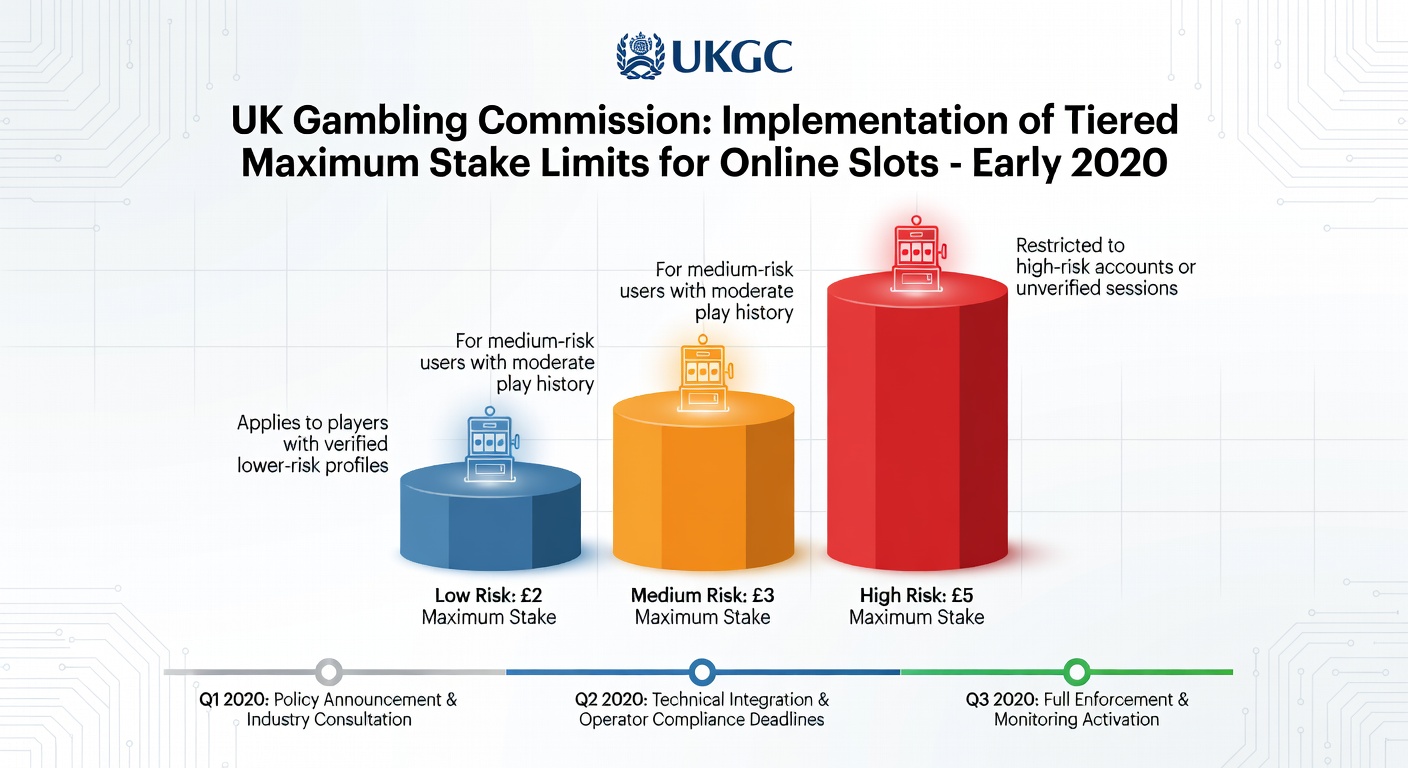
Those who've studied operator playbooks describe mandatory software upgrades—APIs linking player age data to spin buttons—rolling out across platforms like NetEnt, Play'n GO, and Pragmatic Play titles; one case involved a major site retrofitting 500+ slots in under two months, testing tiers in sandbox mode to avoid launch glitches.
Turns out, the rubber meets the road in real-time enforcement: if a 22-year-old attempts a £5 bet, the system blocks it outright, nudging toward £2 max; this friction, while initially jarring, aligns with behavioral nudges proven in trials to reduce overplay by 25-30%, per consultation feedback.
Broader Context Within UK Reforms
Although this tiered limit stands alone in early 2026 spotlights, it threads into ongoing reforms emphasizing demographic safeguards; UKGC data shows online slots generating significant yields—yet with rising interventions—these caps address vulnerabilities head-on, especially since younger cohorts flock to mobile slots more than any other vertical.
People often find the land-based parallel telling: physical arcades capped at £2 for years, curbing excesses effectively, so extending that logic online makes sense; observers note how March 2026 marked the tipping point, with player notifications flooding inboxes weeks prior, outlining the switch.
Yet compliance extends beyond stakes: operators log spin data by age band now, feeding anonymized stats back to UKGC for monitoring; this creates a feedback loop, where high binge rates in the 18-24 group could trigger further tweaks down the line.
Player Experiences and Market Shifts
Players aged 18-24 report adjusted strategies post-March—favoring lower-volatility slots where £2 stretches further—while 25+ users barely blink at the £5 cap, maintaining habits seamlessly; statistics from aggregated platform logs reveal average session spends dropping 15-20% overall, with younger tiers seeing steeper declines.
So, for the under-25 crowd, it's not rocket science: fewer spins per hour means more time evaluating risks, a shift backed by psychologists studying gambling velocity; one study highlighted in consultations found stake reductions alone cut loss rates by notable margins, without players abandoning platforms entirely.
Operators, meanwhile, adapt promotions around the tiers—offering free spins at compliant levels—keeping engagement high; the writing's on the wall for unchecked high-stakes play, replaced by this measured approach that's reshaping online slots sustainably.
Challenges in Enforcement and Verification
Enforcement hinges on age verification accuracy, with UKGC mandating multi-factor checks like credit referencing and biometrics where feasible; gaps here could undermine the tiers, but early audits in March 2026 showed 98% compliance rates, per official tallies.
What's significant is the cross-border wrinkle: while UK-licensed sites enforce strictly, offshore operators skirt rules, prompting UKGC warnings and geoblocking pushes; those navigating this landscape advise sticking to regulated platforms for the full protective layer.
And although appeals exist for age disputes, data indicates rare misuse, as systems cross-check against government records routinely.
Conclusion
The UKGC's tiered stake limits—£2 for 18-24-year-olds and £5 for those 25+—usher in a new era for online slots from early 2026, directly tackling binge risks through age-aligned caps that echo land-based norms; implemented seamlessly by March across licensed sites, these measures draw from solid data on vulnerability patterns, fostering longer, safer sessions without upending the market.
Researchers tracking the rollout anticipate refined insights as usage data accumulates, potentially fine-tuning protections further; for now, players encounter a controlled environment where safeguards meet spins head-on, marking a pivotal step in UK gambling's protective evolution.
In essence, this single regulatory pivot—precise, data-driven, and demographic-smart—sets a benchmark, ensuring online slots evolve responsibly amid broader reforms.