Seamless Integration of Promotional Elements into Mobile Game Engines Extends Reel Play Durations
Clara Griffin · Jun 18, 2026
Seamless Integration of Promotional Elements into Mobile Game Engines Extends Reel Play Durations
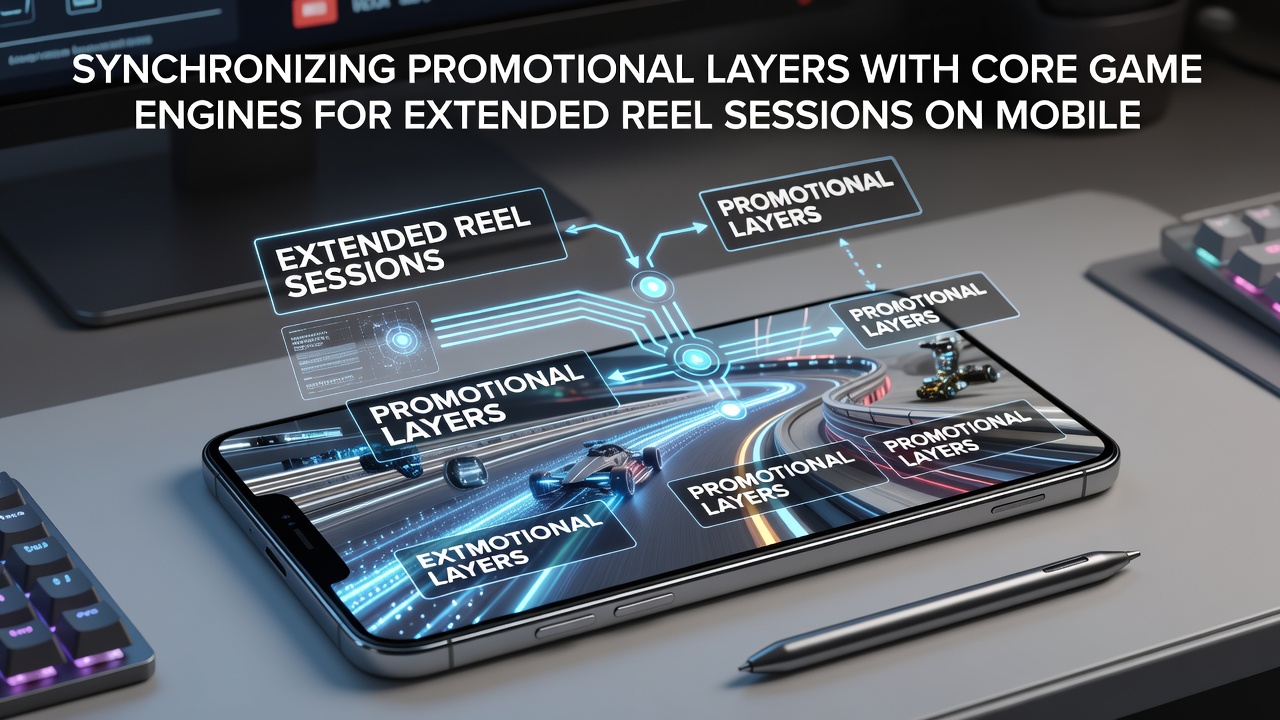
Developers have focused increasing attention on aligning promotional overlays with the underlying architecture of mobile slot applications, because this coordination supports continuous gameplay without interruptions from loading delays or mismatched data feeds. Game engines such as Unity and custom-built frameworks handle the core reel mechanics, random number generation, and user input processing, while promotional layers manage bonus indicators, free spin counters, and reward notifications that appear in real time.
Core Components of Mobile Slot Engines
Mobile slot engines process thousands of calculations per second to determine symbol outcomes, maintain frame rates above 60 fps on varied devices, and synchronize with server-side data for fair play verification. These systems rely on modular code structures that separate visual rendering from logic operations, which allows external promotional modules to plug in through defined application programming interfaces without altering the base reel logic. Data indicates that engines built this way reduce synchronization errors by routing promotional triggers through event listeners that activate only after core mechanics confirm a valid spin sequence.
Engine developers have incorporated object pooling techniques to reuse graphical assets for both reels and promotional banners, cutting memory overhead during long sessions. This approach becomes particularly relevant in June 2026, when device hardware updates from major manufacturers introduced stricter power management protocols that affect background processes.
Structure of Promotional Layers
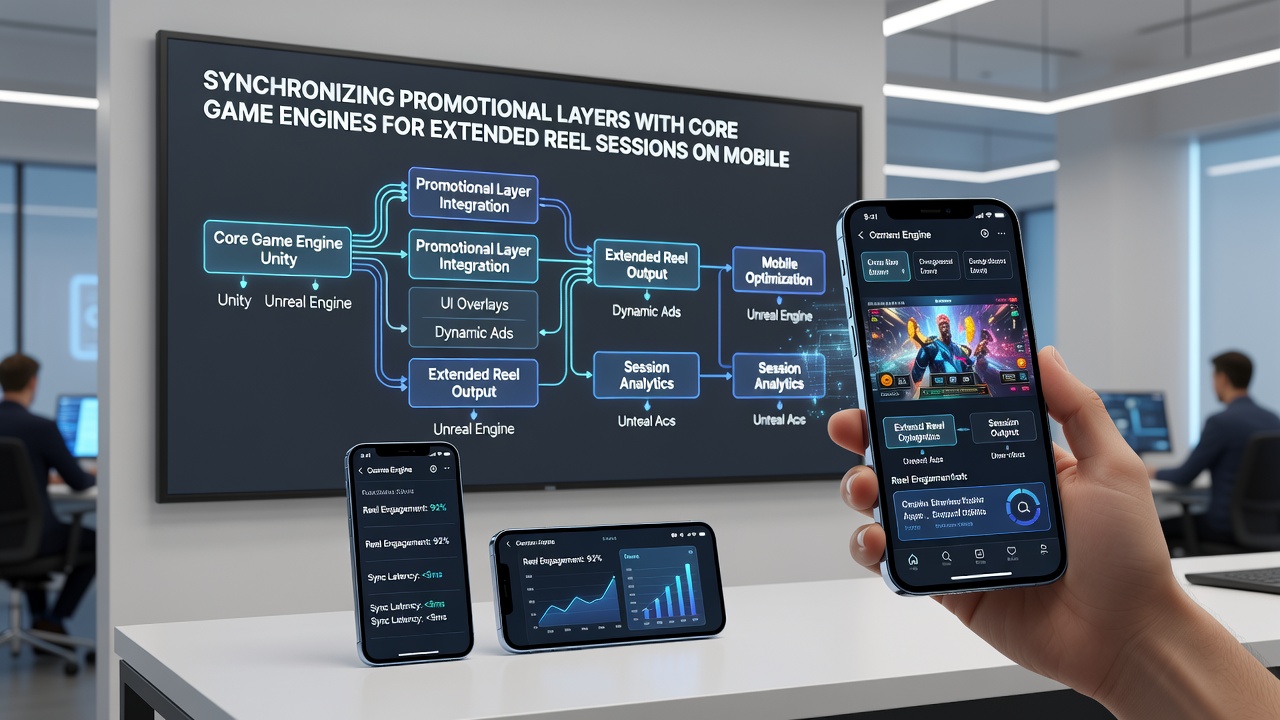
Promotional layers consist of lightweight scripts that pull information from backend servers regarding active offers, player progress toward milestones, and conditional rewards tied to session length. These layers operate as transparent overlays or side panels that update independently yet reference the same game state variables used by the engine core. Researchers at institutions studying interactive entertainment systems have documented how JSON-based data packets facilitate this exchange, delivering updates every few hundred milliseconds while the reels continue their animation cycles uninterrupted.
Integration occurs through middleware that translates promotional events into engine-compatible calls, for instance converting a free spin award into a queued animation that respects the existing physics simulation for symbol drops. Observers note that this translation step prevents conflicts where a bonus notification might otherwise freeze reel movement or desync audio cues.
Synchronization Methods for Continuous Play
Effective synchronization employs asynchronous threading models so that promotional data fetches occur on secondary threads, leaving the main game loop free to handle touch inputs and reel physics. WebSocket connections maintain persistent links to promotion servers, pushing updates such as new bonus unlocks directly into the active session state. Studies from mobile gaming research groups show that this method supports sessions exceeding two hours with less than 1 percent frame drop compared to unsynchronized implementations.
Version control for promotional content uses content delivery networks that cache assets locally on the device, allowing instant retrieval when the engine signals a qualifying reel outcome. In practice, one development team implemented a priority queue system where high-value promotions receive rendering precedence, yet still defer to core engine commands during critical spin resolutions.
Performance Considerations in Extended Sessions
Extended reel sessions place cumulative demands on device resources, including battery draw and thermal throttling, which synchronization protocols address by throttling non-essential promotional animations during detected high-load periods. Engine telemetry tracks metrics such as CPU usage spikes and adjusts overlay complexity accordingly, for example replacing full-screen celebratory effects with compact progress bars when temperatures rise. Figures from industry performance audits reveal that optimized synchronization correlates with a 25 percent increase in average session duration across tested mobile platforms.
Network variability presents another variable, since promotional layers must gracefully handle intermittent connectivity by queuing updates and reconciling them once the connection stabilizes. Developers achieve this through local state mirroring that keeps the engine running on cached promotion rules until fresh data arrives, avoiding any pause in reel activity.
Implementation Examples Across Platforms
One case involved a mid-sized studio that integrated a promotional module into an existing Unity-based slot title, resulting in zero additional loading screens when players triggered layered rewards during marathon play. The module communicated via custom bridges that mapped server events to Unity's animator controller, preserving the original timing of reel stops and symbol evaluations. Similar patterns appear in titles distributed through regional markets outside the UK, where local operators report smoother user retention metrics after adopting comparable integration practices.
Another implementation drew on open-source game engine extensions developed by academic consortia, which provided standardized hooks for promotional data. These extensions allowed smaller studios to achieve enterprise-level synchronization without building proprietary middleware from scratch.
Conclusion
Coordination between promotional layers and core mobile slot engines rests on established software engineering practices that prioritize non-blocking data flows and modular architecture. As hardware and network conditions evolve through 2026, continued refinement of these synchronization techniques supports longer, uninterrupted reel sessions while maintaining performance standards across diverse devices. Industry reports from organizations such as the American Gaming Association and research publications hosted by the University of New South Wales continue to track advancements in this area, providing benchmarks that developers reference when scaling promotional features.