Layered Reward Structures: Mapping Cyclical Incentives That Prolong Reel Activity in Persistent Digital Platforms
Morgan Griffin · May 17, 2026
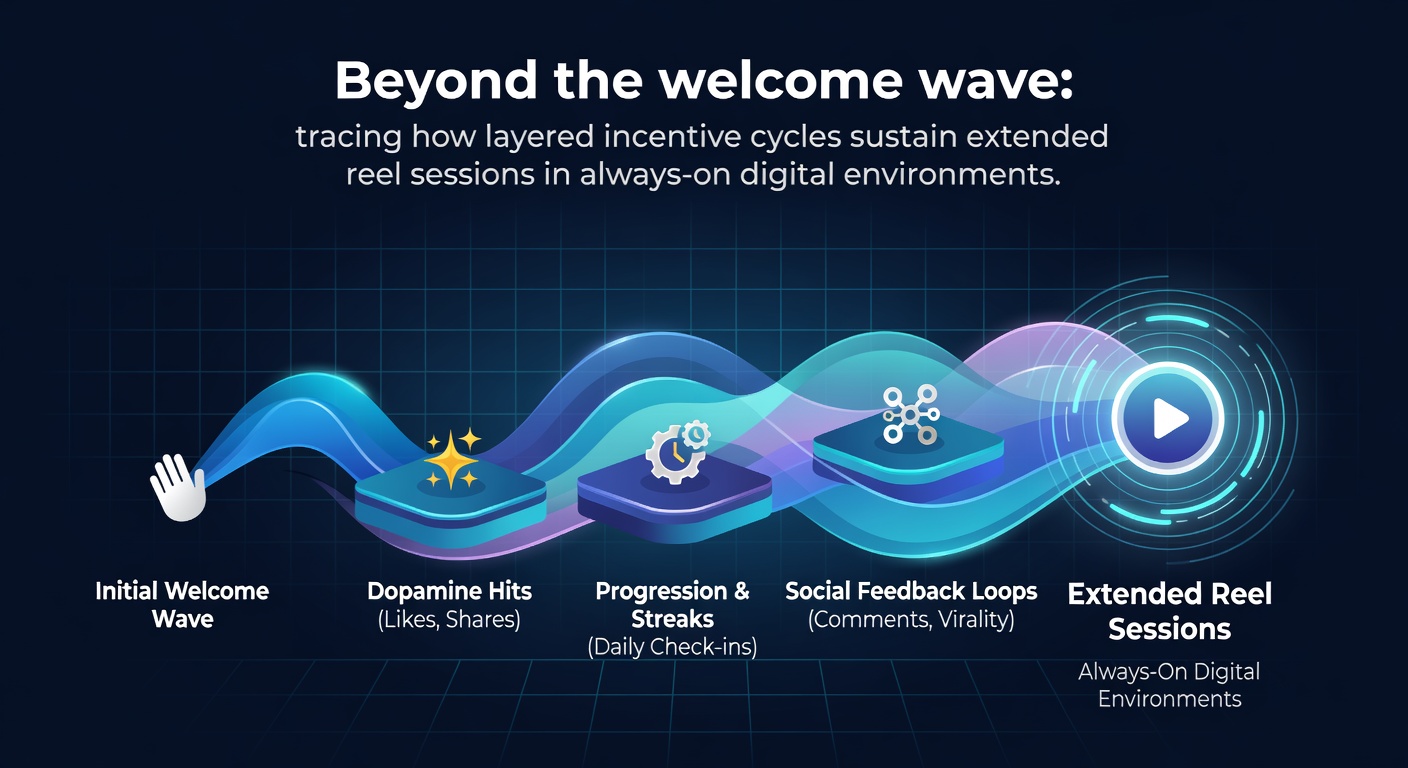
Layered Reward Structures: Mapping Cyclical Incentives That Prolong Reel Activity in Persistent Digital Platforms
Digital casino environments rely on sequenced reward mechanisms that begin with entry-level offers and transition into sustained engagement tools, according to industry analyses from 2025 and 2026. These structures combine initial deposits matches with recurring reloads, cashback tiers, and loyalty accumulations that activate during ongoing play sessions. Data collected across multiple platforms shows that such layering maintains activity levels by aligning incentives with player progression rather than isolated events.
Initial Entry Points and Their Transition to Ongoing Cycles
Players encounter welcome packages that typically include deposit matches alongside free spin allotments, yet these elements serve as gateways to deeper systems. Observers note that once a session extends past the first hour, additional triggers such as streak-based rewards or level-up multipliers activate automatically. Research from gaming analytics firms indicates that this shift occurs because platforms program incentives to respond to cumulative time spent and wager volume, turning one-time bonuses into repeating prompts that appear at set intervals.
In May 2026 several operators updated their mobile interfaces to display real-time progress bars for these layered cycles, allowing users to track how current spins contribute toward the next reward threshold. This visibility feature emerged after platform testing revealed higher retention rates when players could monitor their advancement without leaving the reel screen.
Mechanics of Multi-Tier Accumulation
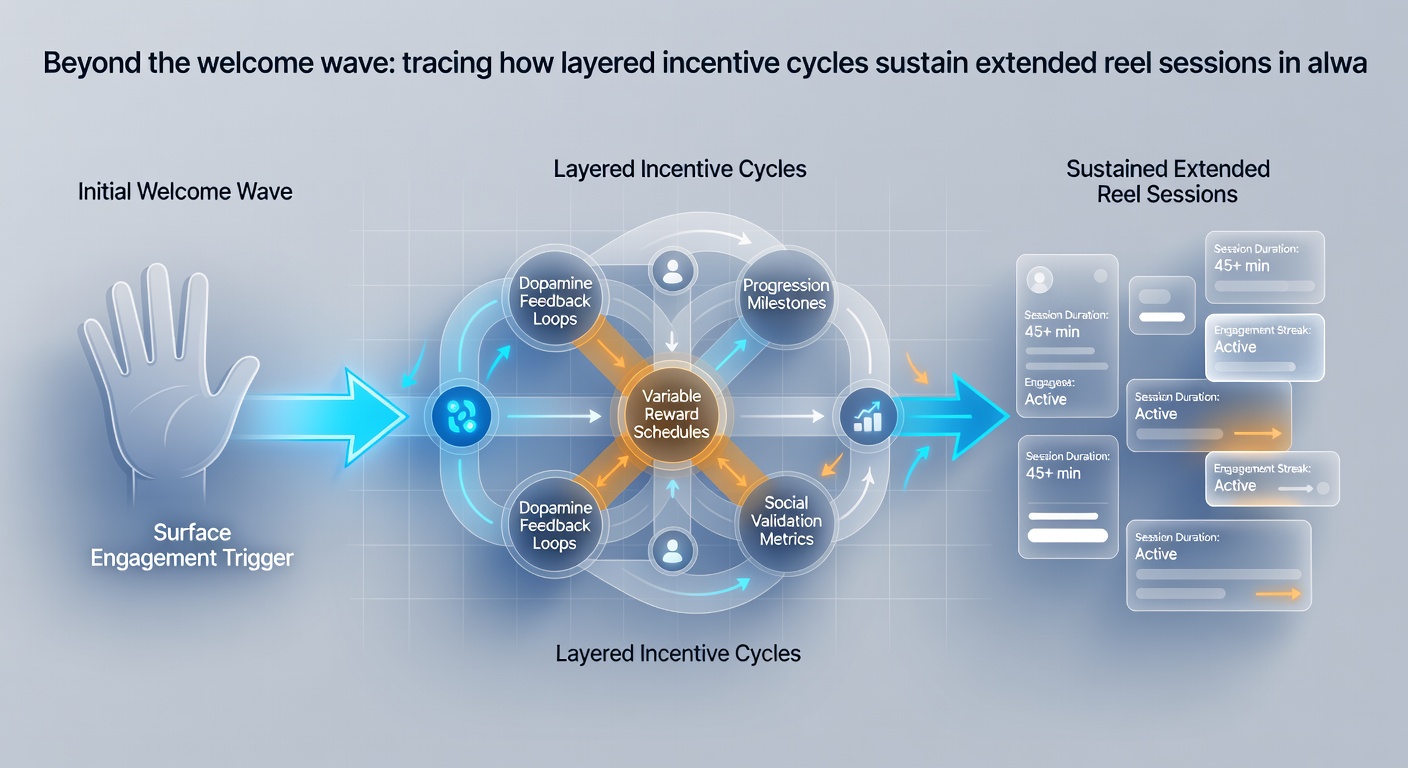
Layered systems operate through interconnected tracks where one reward type feeds into another. For instance, cashback earned on losses converts into bonus credits that carry wagering requirements tied to specific reel titles. Loyalty points collected during these sessions unlock higher tiers that grant faster accumulation rates or exclusive access to progressive features. Studies compiled by the American Gaming Association highlight that these connections create continuous loops because each completed cycle raises the baseline for the subsequent one, sustaining session length without requiring separate promotions.
Platforms segment these cycles by game category, with video slots often linked to volatility-adjusted multipliers while progressive jackpot games receive separate accumulation paths. This differentiation ensures that players moving between titles encounter fresh incentive layers rather than repetitive offers, a design choice documented in technical reports from European gaming software providers.
Platform Adaptations in Always-On Environments
Always-available digital spaces require incentives that function across time zones and device types. Developers integrate push notifications and in-app reminders that reference a player's current cycle status, prompting returns during off-peak hours when activity might otherwise drop. Figures released by Canadian regulatory bodies show that such timed interventions correlate with measurable extensions in average session duration, particularly when paired with mobile-optimized reel interfaces that maintain state across logins.
Cross-device synchronization plays a central role here. When a user starts a session on a desktop and continues on a smartphone, the layered incentives carry forward without reset, preserving progress toward the next reward level. Industry documentation from 2026 confirms that this continuity reduces friction and supports longer overall engagement windows in environments designed for constant accessibility.
Data Patterns and Cycle Effectiveness
Analytics platforms tracking player behavior report that sessions incorporating multiple incentive layers last longer than those driven by single bonuses. Metrics gathered through 2025 demonstrate that players who engage with at least three overlapping reward tracks complete significantly more spins per visit. These patterns hold across different regions, with similar trends noted in reports from the Australian Gambling Research Centre and academic papers on digital gaming dynamics.
Seasonal adjustments also influence cycle design. During periods of heightened activity such as May 2026, operators introduced temporary overlay bonuses that stack onto existing loyalty structures, creating short-term acceleration points within the longer cycles. This approach allows platforms to respond to calendar-based demand while maintaining the underlying framework that supports extended play.
Conclusion
Layered incentive cycles function as interconnected systems that convert initial engagement into prolonged activity through automatic progression and cross-reward linkages. Evidence from regulatory and industry sources shows these structures adapt to mobile and always-on formats by preserving state and delivering timely prompts. As platforms refine tracking tools and synchronization features, the mechanics continue to evolve around cumulative player data rather than isolated promotions, sustaining reel sessions within persistent digital environments.