Integrating Layered Promotions into Live Dealer Environments Within Persistent Digital Gaming Platforms
Quinn Krüger · Aug 23, 2026
Integrating Layered Promotions into Live Dealer Environments Within Persistent Digital Gaming Platforms
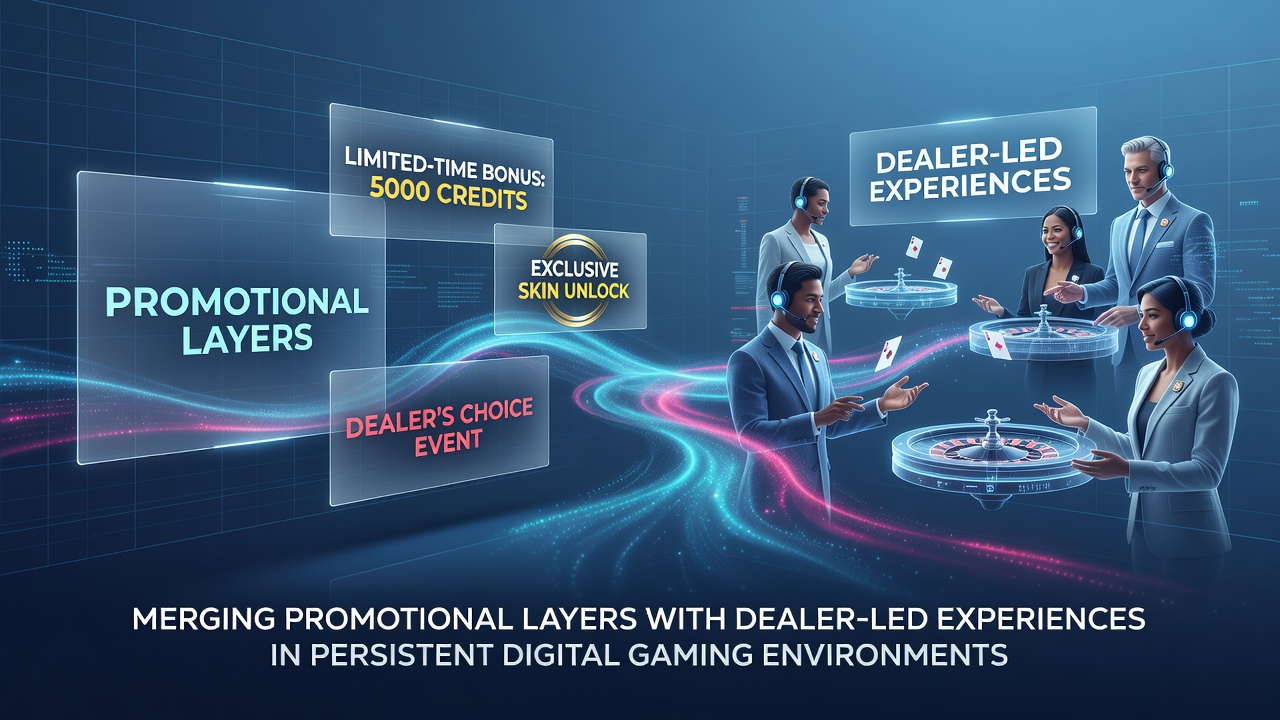
Persistent digital gaming environments continue to evolve as platforms combine promotional incentives with live dealer interactions, creating hybrid experiences that extend player engagement across extended sessions. Data from industry reports shows these integrations allow operators to overlay bonuses, loyalty rewards, and time-limited offers directly onto dealer-led tables without disrupting the core gameplay flow. Researchers at various gaming institutions have documented how such systems maintain continuity in always-online spaces where users return repeatedly over days or weeks.
Core Components of Promotional Layers
Promotional layers function as modular elements that sit above base game mechanics, delivering incentives like deposit matches or cashback structures while players interact with real dealers in real time. Studies indicate these layers activate through triggers such as session duration or specific hand outcomes, and they operate in persistent environments where player progress carries forward across logins. Observers note that platforms achieve this by embedding tracking protocols that sync promotional states with dealer session data, ensuring offers remain visible yet non-intrusive during live rounds. In August 2026, several major operators expanded these capabilities following updates to cross-device compatibility standards.
Dealer-Led Experiences as the Foundation
Live dealer formats anchor the experience through real-time video streams and interactive elements that replicate physical casino dynamics. Those who have analyzed platform metrics report that dealer-led tables generate higher retention rates when paired with layered promotions because the human element builds trust while bonuses provide immediate value feedback. Experts have observed seamless transitions where a dealer announces a qualifying round and the system simultaneously displays an active multiplier or free-bet token on the player's interface. This approach preserves the pace of play while embedding promotional mechanics into the narrative of each hand or spin sequence.
Technical Integration Methods
Platforms achieve merging through API connections that link promotional engines with dealer management software, allowing real-time updates without latency. According to findings from the American Gaming Association, successful implementations rely on modular code structures that let operators test new reward tiers independently of live stream stability. Persistent environments benefit particularly because player profiles retain promotional history, enabling cumulative rewards that build across multiple dealer sessions. One documented case involved a European operator that synchronized loyalty points earned at blackjack tables with subsequent slot promotions, resulting in extended play patterns tracked over multi-week periods.
Player Journey Mapping in Hybrid Setups
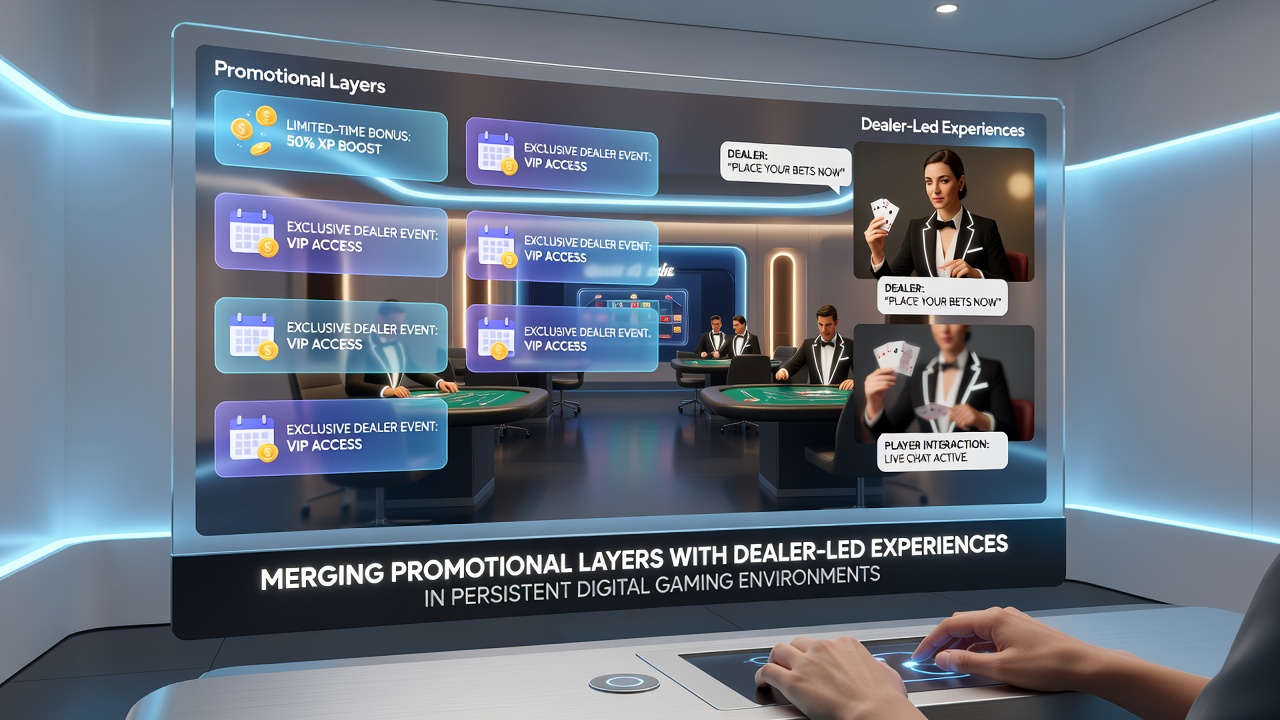
Player journeys in these merged systems follow defined paths where entry points lead to layered offers that adapt based on dealer interactions. Data shows users often encounter welcome overlays upon joining a live table, followed by progressive rewards tied to consecutive hands or table milestones. Researchers discovered that persistent worlds amplify this effect because returning players carry forward both promotional balances and dealer performance histories. Industry reports highlight examples where operators introduced region-specific incentives, such as time-zone adjusted cashback during peak dealer hours, without altering the underlying game rules or dealer pacing.
Regulatory and Compliance Considerations
Regulatory bodies across multiple jurisdictions require clear separation between promotional mechanics and core game outcomes to maintain fairness standards. The Malta Gaming Authority has issued guidelines emphasizing transparent display of layered offers during live dealer sessions, and operators have responded by building audit trails that log every promotional trigger alongside dealer actions. Observers note that these measures support compliance while preserving the immersive quality of persistent environments, where players expect seamless continuity rather than abrupt interruptions for offer verification.
Future Developments and Platform Adaptations
Platform developers continue refining these integrations by incorporating machine learning models that predict optimal promotional timing within dealer-led flows. Evidence from academic papers on digital gaming behavior suggests such predictive layers can increase session depth while reducing churn in persistent settings. As of August 2026, several testing environments demonstrated enhanced synchronization between dealer chat functions and personalized reward notifications, creating more contextual engagement without shifting focus from the live table itself.
Conclusion
The combination of promotional layers and dealer-led experiences in persistent digital gaming environments reflects ongoing industry adaptation to player expectations for continuity and value. Technical frameworks, regulatory alignment, and data-driven refinements together support these hybrid models across varied platforms and regions. Continued monitoring by research institutions and trade organizations will shape how these elements develop in subsequent years.