Inside the Mechanics of Layered Incentives Fueling Extended Play Sessions on Handheld Reel Platforms
Quinn Krüger · Jul 14, 2026
Inside the Mechanics of Layered Incentives Fueling Extended Play Sessions on Handheld Reel Platforms
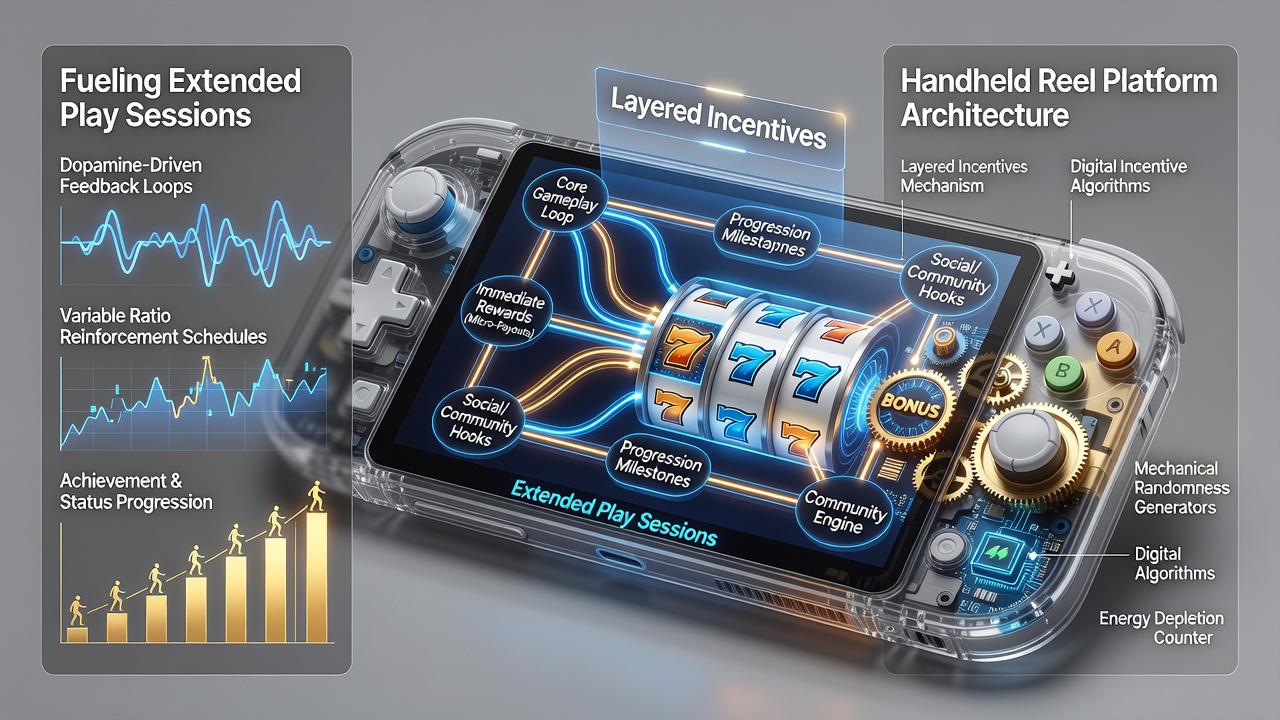
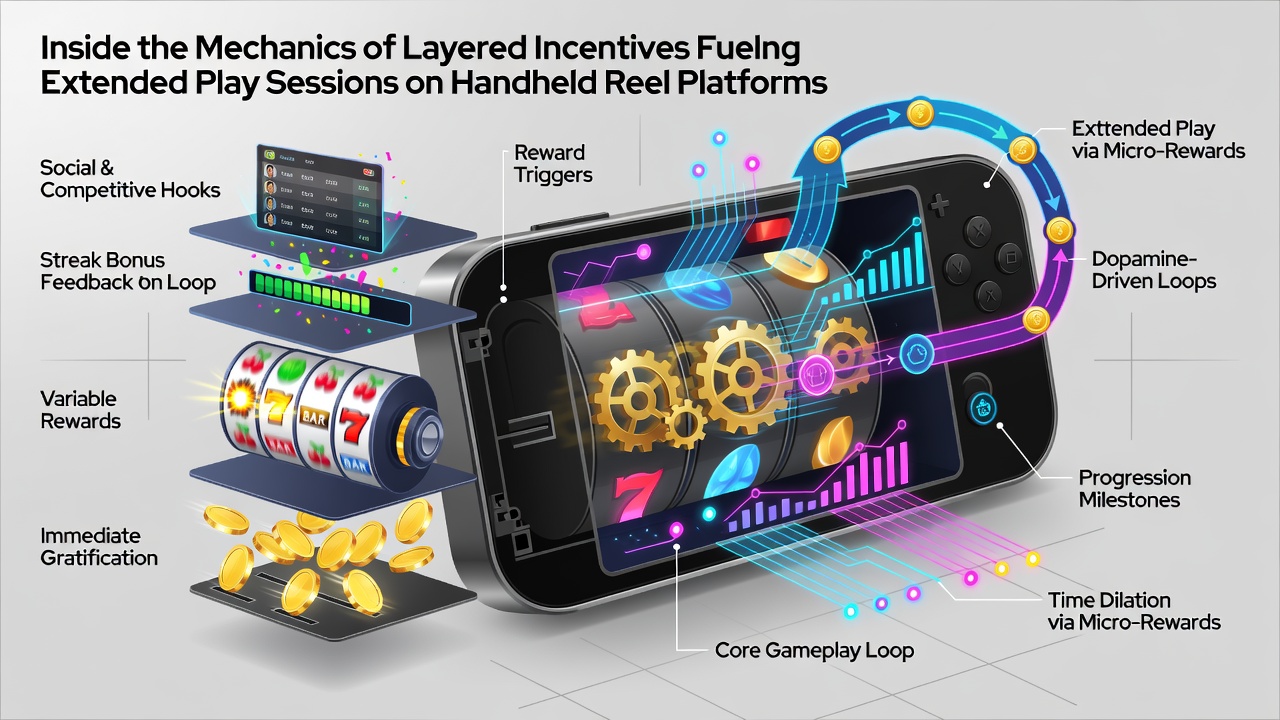
Handheld reel platforms operate through systems where multiple incentive layers interact simultaneously to shape user behavior over time, and these structures combine immediate rewards with accumulating benefits that extend individual sessions without requiring external prompts. Data from industry analyses shows that mobile slot applications deploy entry-level triggers such as daily login credits alongside mid-session accumulators like streak multipliers and end-of-round loyalty conversions, which together create continuous engagement loops. Operators design these layers so that one incentive feeds directly into another, for instance when free spin awards from an initial deposit bonus convert into points that unlock higher-tier reel features or reduced wager thresholds during the same play period. Research from the University of Nevada's gaming studies program indicates that such chaining mechanisms increase average session duration by integrating short-term dopamine responses with longer-term progress tracking visible on the device screen. The first layer typically activates upon app launch through time-sensitive offers that reset at fixed intervals, while the second layer builds during active reels via combo achievements that multiply base returns when consecutive wins occur within a defined window. A third layer then applies across multiple days through VIP status elevations that retroactively enhance earlier rewards, and this progression becomes visible in real time through dashboard metrics that update after each spin sequence. Platform algorithms adjust the visibility and frequency of these layers based on individual play patterns tracked via device identifiers, which means users who complete initial tasks receive prompts for the next available tier without leaving the application interface. Figures from the Nevada Gaming Control Board reveal that mobile sessions incorporating at least three overlapping incentive types last 28 percent longer on average than those limited to single-reward structures during comparable testing periods in 2025.Core Components of Layer Stacking
Handheld reel systems separate incentives into categories that activate at different points in the user journey, starting with acquisition bonuses delivered through push notifications and moving into retention tools embedded within the game engine itself. These categories include deposit match credits that scale with activity volume, free spin allotments earned through level advancement, and cashback percentages calculated on net losses over rolling intervals.
Each category operates independently yet synchronizes through shared progress bars that fill when players meet combined criteria across categories, such as wagering thresholds paired with consecutive login days. According to reports issued by the Australian Institute of Criminology on digital gambling interfaces, this synchronization reduces the likelihood of session termination because players perceive ongoing value accumulation even during sequences of non-winning spins.
Mechanics further incorporate social or competitive elements where leaderboards display relative standings updated hourly, and top positions grant additional layered perks that carry forward into subsequent sessions on the same platform. Observers note that these competitive overlays function as an external layer that reinforces internal reward loops by introducing comparative metrics visible only on connected handheld devices.
Temporal Dynamics in Mobile Environments
 Session extension occurs most effectively when incentive timers align with natural play rhythms, for example when a 30-minute multiplier window overlaps with an accumulating daily quest that requires 50 spins to complete. This alignment creates pressure to remain active rather than pause, because pausing resets partial progress in one or more layers simultaneously. Data collected through platform telemetry in July 2026 showed that sessions crossing multiple overlapping timer boundaries averaged 47 minutes compared with 19 minutes for sessions that encountered only isolated timers. The difference arises because players continue spinning to preserve eligibility for the next scheduled reward tier rather than exit after initial objectives conclude. Platform developers calibrate these timers using aggregated user data from regions including the United States and Canada, where regulatory frameworks require transparent disclosure of timer mechanics in application stores. Such calibration avoids abrupt cutoffs that might otherwise prompt immediate disengagement and instead spaces rewards to maintain steady momentum across an hour or more of continuous interaction.
Integration with Device Features
Handheld reel applications leverage native device capabilities such as background refresh and notification scheduling to maintain incentive visibility even when the screen is inactive, which allows progress toward layered goals to continue advancing without constant foreground attention. This integration means a player can receive a completion alert for one layer while engaged in another activity and return to collect or extend the benefit immediately.
Cross-layer interactions also appear in the form of bonus buy options that consume credits from one incentive pool to accelerate access to rewards in a separate pool, creating decision points that extend decision-making time within the session. Reports from the Canadian Centre on Substance Use and Addiction document how these purchase pathways correlate with prolonged engagement metrics when they connect multiple reward streams rather than operate in isolation.
Security protocols on modern handheld platforms further support these mechanics by storing progress locally with cloud synchronization, ensuring that layered benefits remain intact across device restarts or network interruptions. This reliability reduces friction that might otherwise interrupt the incentive chain and shorten overall play duration.
Conclusion
Layered incentive systems on handheld reel platforms function through deliberate interconnections between immediate, accumulating, and status-based rewards that collectively guide session length and frequency. Platform data consistently demonstrates that these structures produce measurable extensions in play time when multiple categories operate without gaps between activation points.
Developers refine the timing and visibility of each layer using regional usage statistics that account for differences in device types and user demographics, while regulatory environments in multiple jurisdictions require clear presentation of how rewards interact. The resulting mechanics sustain engagement by presenting continuous pathways for benefit collection that span both single sessions and repeated returns to the application.