Device Fluidity Alters Reward Circuits in Persistent Slot Environments
Quinn Krüger · Jul 26, 2026
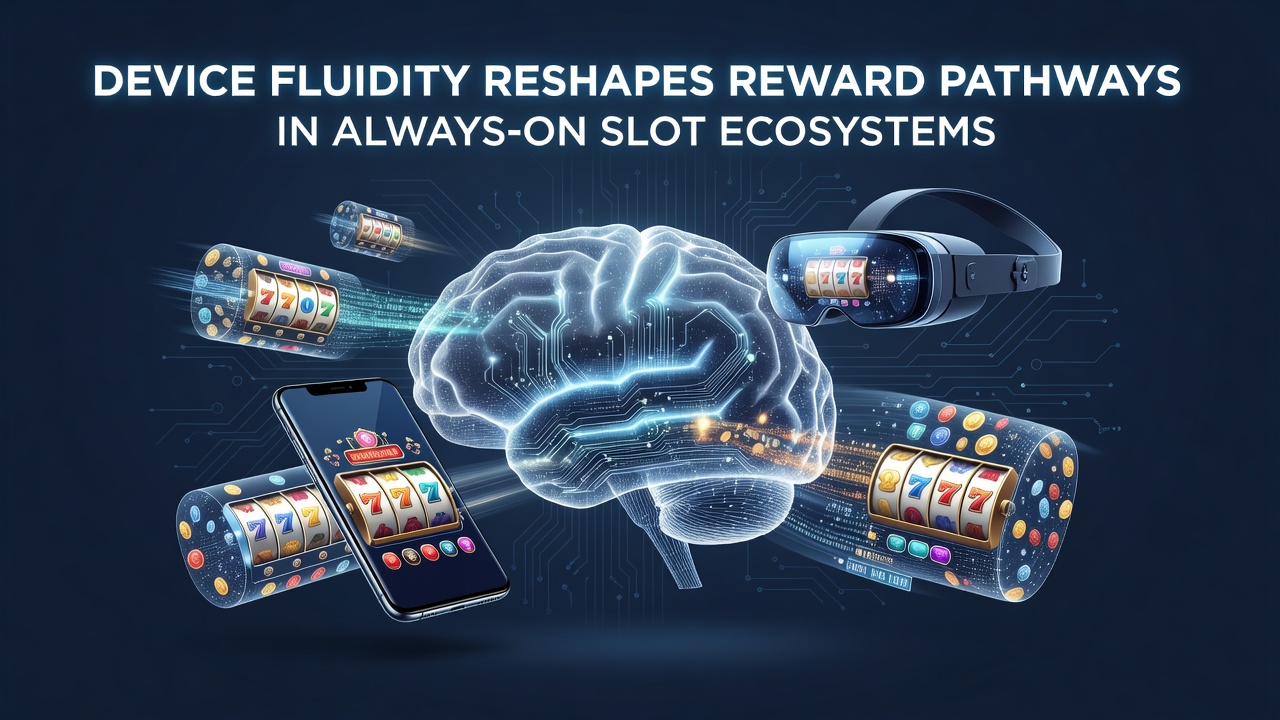
Device Fluidity Alters Reward Circuits in Persistent Slot Environments
Device fluidity describes the seamless movement between smartphones, tablets, and desktop computers during slot sessions, and researchers have documented how this behavior modifies dopamine response patterns in players who engage with always-on platforms. Studies from institutions such as the University of Nevada, Reno, show that frequent device switches can strengthen associative learning loops because each transition delivers fresh visual and auditory stimuli that reinforce continued play. Data collected through player tracking systems indicate session lengths often extend when users move from one screen to another without interruption.
Core Mechanisms Behind Device Fluidity
Platform operators design cloud-synced accounts that allow progress, balance, and bonus states to transfer instantly across hardware, which removes friction that once prompted breaks in engagement. Behavioral analysts note that this continuity keeps the brain in a heightened state of anticipation because the reward delivery system never fully resets. Neuroimaging work published in addiction journals reveals elevated activity in the nucleus accumbens during these transitions, a region tied to motivation and reinforcement learning. The same studies link repeated device changes to faster escalation of betting intensity within single sessions.
Always-On Ecosystems and Continuous Access
Slot ecosystems operate through 24-hour servers that push real-time updates, live tournaments, and personalized promotions directly to whichever device a player currently uses. Industry reports from Gaming Laboratories International document that uptime rates for major networks exceeded 99.8 percent in the first half of 2026, creating conditions where players can resume play within seconds of switching devices. This persistent availability aligns with findings from the Australian Institute of Health and Welfare that associate constant access with altered time-perception patterns during gambling activities.
Observers note that push notifications and background sync features further reduce natural stopping points. When a player closes a mobile app and opens the desktop version minutes later, the interface resumes exactly where the previous session ended, maintaining the same reel configuration and bonus meter status. Such continuity minimizes cognitive breaks that might otherwise allow reflection or decision adjustment.
Evidence from Player Data in Mid-2026

Figures released in July 2026 by the Nevada Gaming Control Board showed that accounts logged into multiple device types per day generated 34 percent higher average handle than single-device accounts. The report also recorded that cross-device players triggered bonus rounds at a 19 percent higher rate, suggesting that the act of switching itself may correlate with sustained engagement levels. Researchers at McGill University have begun correlating these metrics with self-reported craving intensity, finding that device transitions coincide with momentary spikes in self-reported urge scores.
Neurological and Behavioral Patterns
Longitudinal tracking of frequent slot users demonstrates that habitual device switching can accelerate habituation to standard win animations, prompting players to seek larger stakes or rarer features to achieve equivalent stimulation. Electrophysiological recordings collected in controlled laboratory settings indicate quicker peak responses in reward-related event potentials when the same game loads on a new screen. These patterns align with broader research on variable-ratio reinforcement schedules, where unpredictability remains central yet receives amplification through environmental novelty introduced by each device change.
Operators have introduced features such as cross-device leaderboards and shared progressive jackpots that further embed switching into the core loop. When a player moves from tablet to phone to chase a leaderboard position, the competitive element compounds the existing reward pathway activation. Regulatory filings from the Malta Gaming Authority note that such mechanics now appear in over 60 percent of new titles submitted for certification in early 2026.
Implications for Session Dynamics
Session telemetry reveals that multi-device users exhibit shorter individual play bursts yet higher cumulative daily totals, a pattern that maintains elevated dopamine tone across fragmented intervals rather than one continuous block. This fragmentation reduces opportunities for natural fatigue or external interruptions to intervene. Academic reviews in the Journal of Behavioral Addictions highlight similar trends in other always-connected digital environments, where micro-transitions sustain user investment without requiring sustained attention on any single interface.
Conclusion
Device fluidity continues to integrate deeply into slot platform architecture, reshaping both the technical delivery of games and the neurological responses they elicit. Available data from regulatory bodies and academic centers illustrate measurable shifts in engagement metrics and reward pathway activity tied directly to seamless cross-device movement. As connectivity standards advance and synchronization becomes even more instantaneous, these patterns are expected to persist within the operational frameworks of major slot networks.