Connecting Live Interactions with Automated Reels: Promotional Dynamics in Hybrid Casino Settings
Morgan Hoffmann · Jun 2, 2026
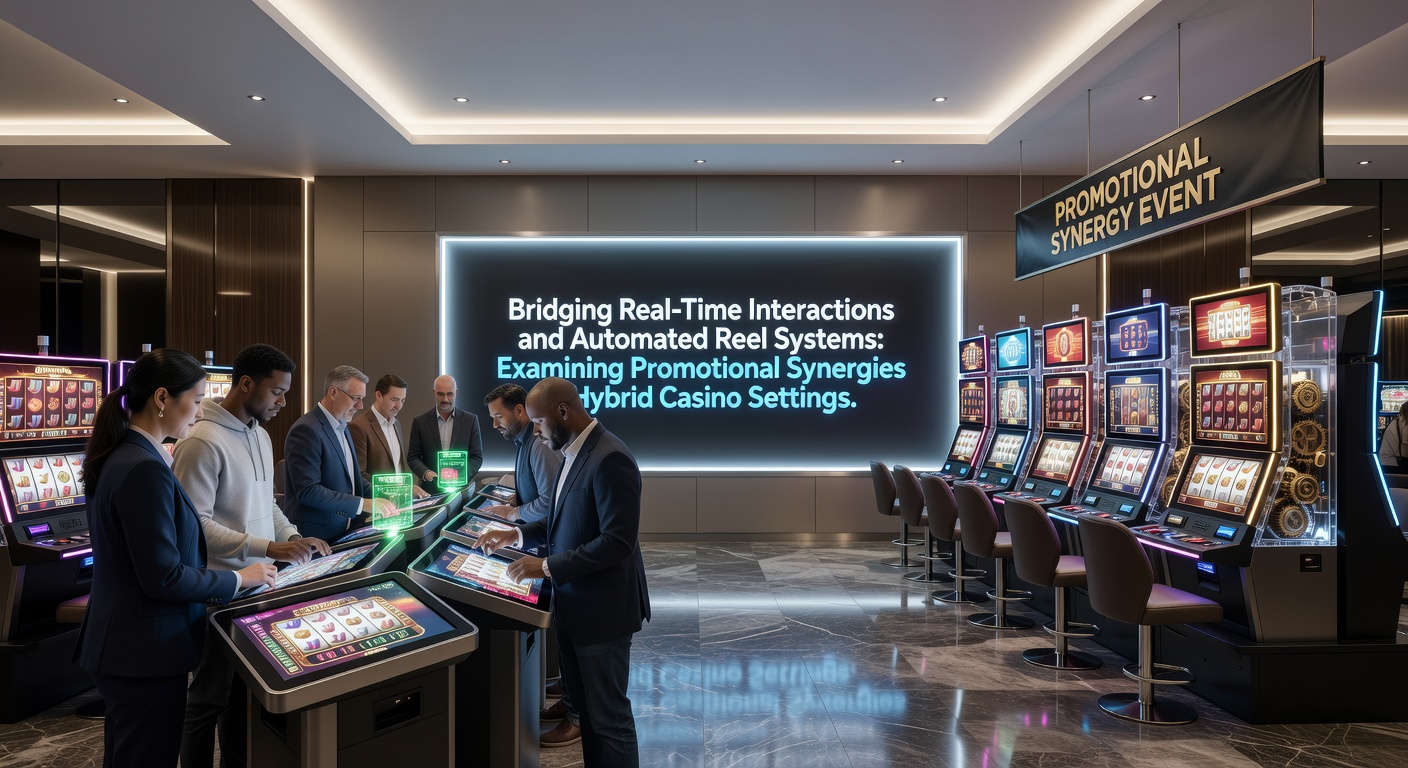
Connecting Live Interactions with Automated Reels: Promotional Dynamics in Hybrid Casino Settings
Hybrid casino environments combine live dealer stations with banks of automated reel systems, and promotional structures now link these two formats through shared reward mechanisms that activate across both channels simultaneously. Operators track player movement between live tables and reel stations, then apply bonus triggers that respond to activity in either area, creating continuous engagement loops without requiring separate sign-ups or account actions.
Framework of Real-Time and Automated Integration
Real-time interactions occur at tables where dealers manage card or wheel outcomes while players receive instant feedback through physical gestures and verbal cues, whereas automated reel systems generate results through random number generators that operate independently of human oversight. In June 2026 several large venues began testing unified loyalty ledgers that record time spent at live tables and spins completed on reels under one profile, allowing promotions to cross-apply when thresholds are met in either segment. Data collected during these trials indicates that players who receive a live-table cashback credit often redirect a portion of those funds into adjacent reel banks within the same session, while reel-based free spin awards frequently lead participants back to live areas when multipliers appear on shared digital displays.
Promotional Mechanisms That Span Both Formats
Operators deploy tiered offers that recognize combined play metrics rather than isolated game categories. A player completing a set number of live hands may unlock reel multipliers that remain active for a defined window, and conversely a streak of consecutive reel wins can generate table-side vouchers redeemable during live sessions. These mechanics rely on backend systems that monitor session data in real time and push notifications or on-screen prompts at the moment conditions are satisfied. Industry reports from the American Gaming Association document similar cross-format reward pilots in North American properties, where average session length increased when promotions bridged live and automated areas instead of treating them as separate verticals.
Operational Adjustments Observed in Mid-2026
By June 2026 several properties had adjusted floor layouts so that live tables sit within direct sightlines of reel banks, allowing dealers and automated terminals to share visual promotional cues such as synchronized light displays or overhead leaderboards. Staff training now includes protocols for directing players between formats when bonus conditions align, while automated systems flag eligible accounts and display relevant offers without interrupting reel cycles. These changes coincide with updates to player tracking software that logs both human-mediated outcomes and algorithm-driven results under unified identifiers, reducing fragmentation in reward calculations.
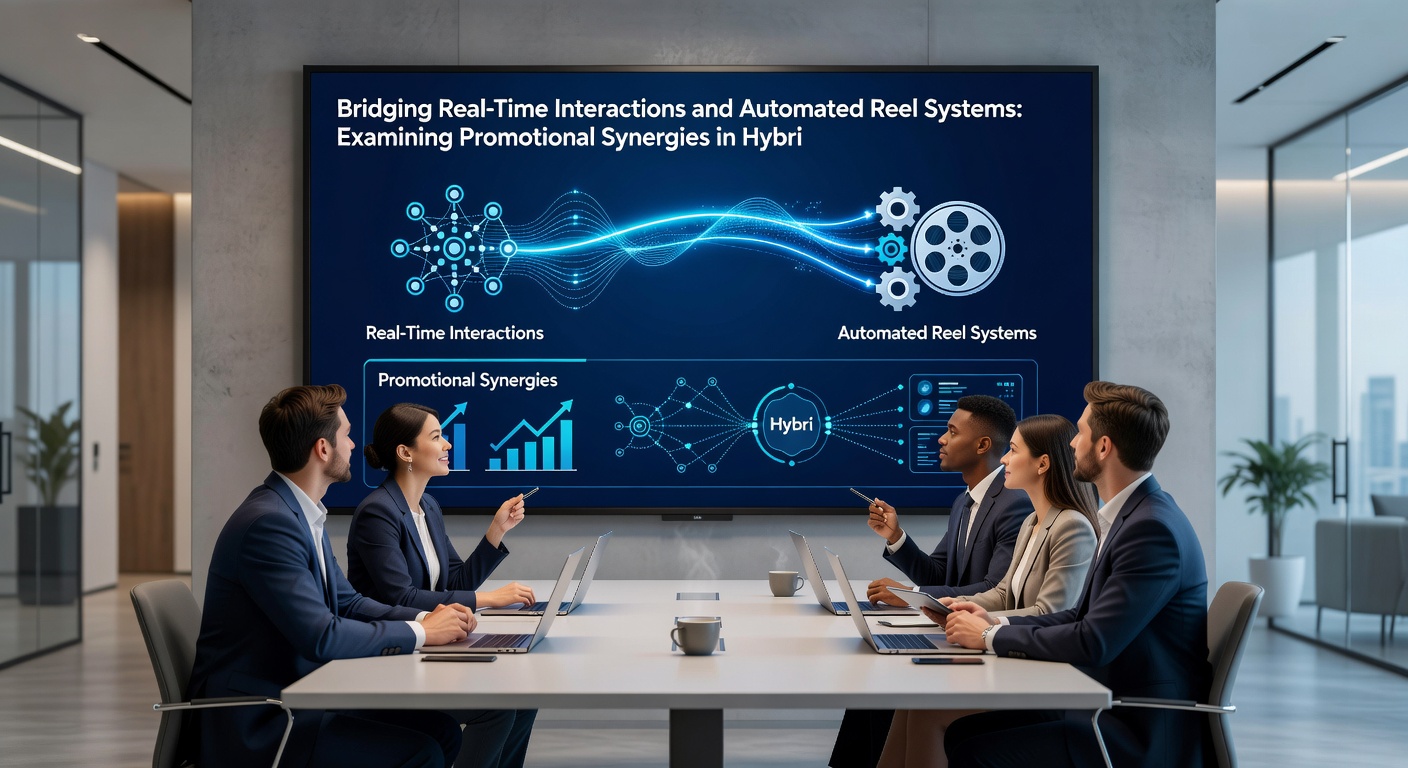
Player Behavior Patterns Across Formats
Observations from multiple sites show that participants often alternate between live tables and reel stations when promotions reward both activities within a single visit. Those who begin at live tables and receive a reel credit tend to migrate toward automated machines shortly afterward, while reel-focused players who earn table vouchers frequently return to live areas before ending their sessions. Research conducted through university gaming studies programs has tracked these movement patterns using anonymized footfall and account data, revealing that combined-play promotions correlate with higher overall visit frequency compared with single-format incentives. The patterns hold across different demographic groups, although the timing of switches varies by time of day and specific promotional triggers in use.
Technical Requirements for Seamless Synergies
Successful bridging depends on low-latency connections between dealer management software adn reel servers so that qualifying events register instantly across platforms. Venues maintain redundant data pathways to prevent delays when a live outcome or reel result should activate a cross-format bonus. Regulatory frameworks in multiple jurisdictions require clear disclosure of how play in one area influences rewards in another, prompting operators to display concise rule summaries on both table interfaces and reel screens. Compliance teams review these disclosures regularly to ensure they reflect actual system behavior without ambiguity.
Conclusion
Hybrid casino operations continue to refine the links between live dealer interactions and automated reel systems through shared promotional structures that respond to activity across both domains. Systems implemented by mid-2026 demonstrate measurable shifts in player routing and session composition when rewards recognize combined engagement rather than isolated play. Continued monitoring of these integrations provides operators with concrete metrics on how real-time and automated elements function together under unified incentive models.