Adaptive Strategies Shape Mobile Casino Promotions for Round-the-Clock Reel Play
Morgan Hoffmann · Jun 4, 2026
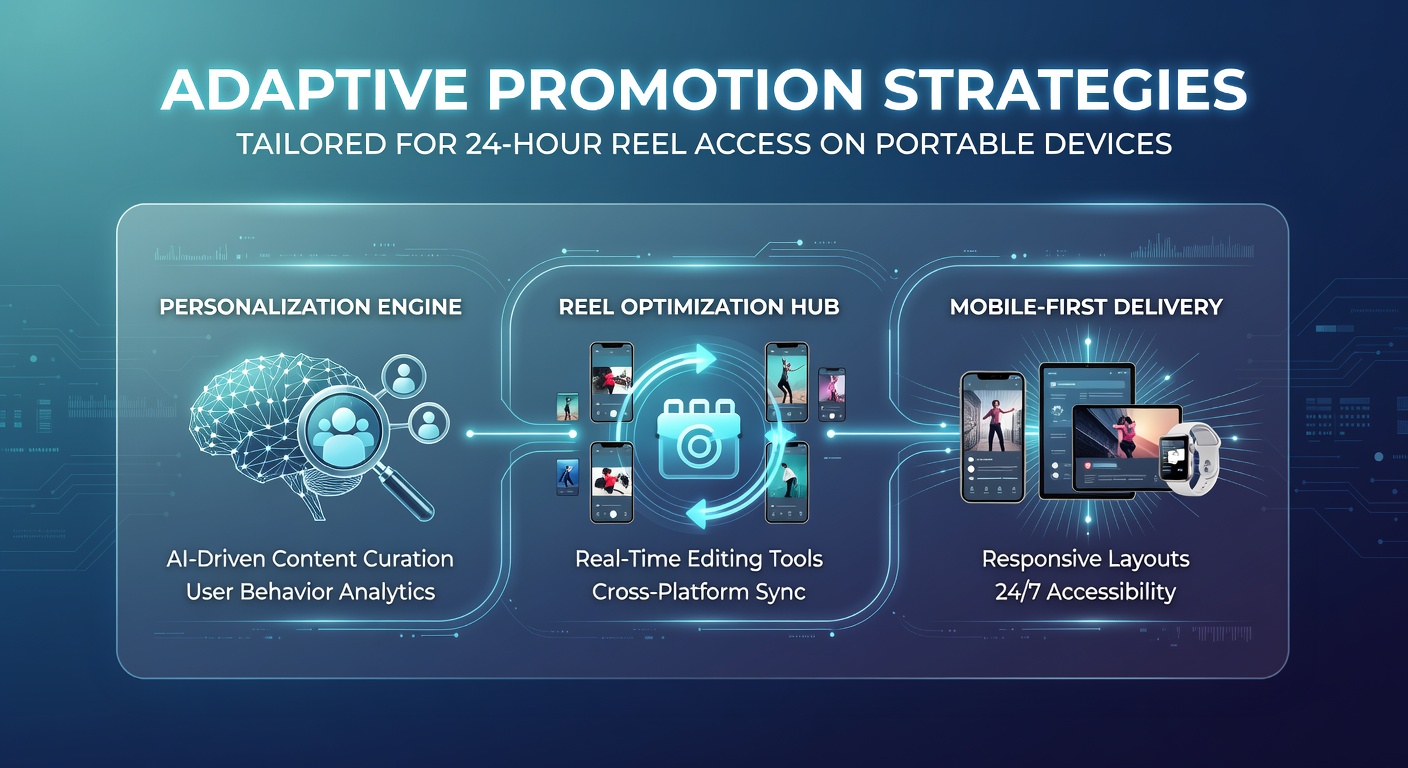
Adaptive Strategies Shape Mobile Casino Promotions for Round-the-Clock Reel Play
Operators have developed promotion frameworks that adjust in real time to user behavior on portable devices, and these systems support continuous reel access across all hours. Data from industry reports show that mobile sessions now account for over 70 percent of total play volume in regulated markets, which has prompted platforms to refine incentives around device type, location signals, and time-of-day patterns.
Core Elements of Adaptive Promotion Design
Promotion engines track session length, device battery status, and network stability to deliver tailored offers that encourage extended mobile reel engagement. Research from the University of Nevada, Reno indicates that players using smartphones complete an average of 23 percent more spins when offers appear at intervals matched to their typical session duration rather than at fixed times. These engines rely on algorithms that shift bonus values, free-spin allocations, and cashback percentages based on live data streams.
Geolocation features allow operators to layer regional compliance rules into the same promotion feed, so a user crossing into a new jurisdiction receives adjusted terms automatically. Figures released by the Nevada Gaming Control Board reveal that adaptive mobile promotions reduced compliance-related session interruptions by 18 percent during the first quarter of 2026.
Time-Based Incentive Adjustments
Promotions calibrated for overnight hours often feature lower wagering thresholds and higher reload percentages because traffic patterns show increased mobile usage between midnight and 6 a.m. in multiple markets. Observers note that these adjustments align with data collected from Canadian provincial regulators, where late-night mobile reel volume rose 31 percent year-over-year through June 2026. Systems also detect when users switch from Wi-Fi to cellular data and respond with smaller, more frequent micro-bonuses to maintain engagement without draining data allowances.
Device-Specific Optimization Techniques
Portable devices vary widely in screen size, processing power, and operating system, and promotion delivery accounts for these differences. Developers test reel animations and bonus pop-ups across dozens of hardware profiles to ensure offers load without disrupting spin sequences. A study published by the Australian Gambling Research Centre found that optimized mobile promotions increased average session length by 14 minutes on mid-range Android devices compared with unoptimized versions. Push-notification timing further adapts to user sleep-cycle data when users have granted permission, sending reel-related incentives during detected active windows rather than blanket distribution.
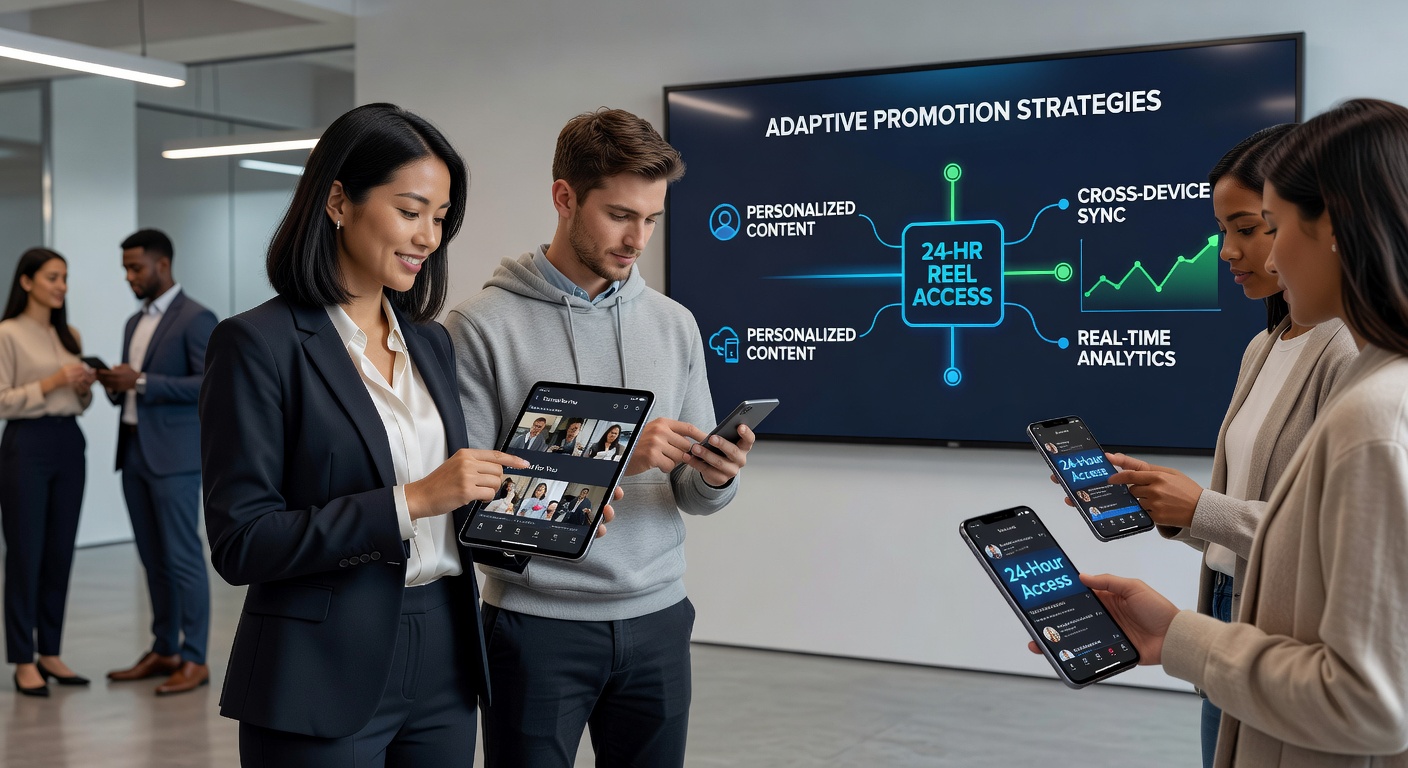
Integration with device health metrics allows promotions to pause or reduce intensity when battery levels drop below 20 percent, preventing user frustration during extended reel sessions. Industry associations such as the European Gaming and Betting Association have documented that these safeguards correlate with higher retention rates across multi-hour mobile play periods.
Regulatory and Technical Integration
Adaptive systems embed licensing requirements directly into the promotion logic so that every offer complies with the rules of the player's current location without manual intervention. This approach has gained traction following updates from the New Jersey Division of Gaming Enforcement in early 2026, which clarified standards for real-time mobile bonus adjustments. Operators also maintain audit trails that record every change made to an active promotion, supporting transparency requirements across jurisdictions.
Cross-platform synchronization ensures that progress toward a promotion goal carries over when a user moves from tablet to smartphone or vice versa, maintaining continuity during 24-hour access periods. Technical standards developed by the Gaming Standards Association facilitate this seamless handoff while preserving encryption protocols required by multiple regulatory bodies.
Conclusion
Adaptive promotion frameworks continue to evolve alongside improvements in mobile hardware and regulatory clarity. By aligning incentives with device capabilities, time-of-day usage, and location rules, operators sustain reel access for users across full 24-hour cycles while meeting compliance obligations in diverse markets. Ongoing data collection from sources such as the University of Nevada, Reno and the Australian Gambling Research Centre supports further refinement of these systems as portable device adoption expands.